




AI is no longer just an upgrade—it’s transforming how businesses operate and grow. While traditional software helped digitize processes, AI brings intelligence, automation, and adaptability into everyday workflows.
This blog explains the key differences between AI integration and traditional software, and highlights what businesses are missing by not adopting AI.
1. Traditional Software: Rule-Based and Static
Traditional software works on predefined rules and fixed logic. It performs exactly as programmed but lacks flexibility when business needs evolve.
- 1. Fixed workflows and logic
- 2. Heavy reliance on manual inputs
- 3. Limited adaptability
- 4. Requires frequent updates for changes
As businesses grow, these limitations often slow down operations and reduce efficiency.
 Figure 1
2. AI Integration: Smart and Adaptive Systems
AI integration enhances systems by enabling them to learn from data, automate processes, and make intelligent decisions.
- 1. Learns and improves over time
- 2. Automates repetitive and complex tasks
- 3. Provides predictive insights
- 4. Adapts to changing business needs
This makes AI-powered systems more efficient and capable of handling modern challenges.
 Figure 2
3. Key Differences That Matter
The gap between traditional software and AI becomes clear when comparing performance, scalability, and intelligence.
- 1. Decision-making: rules vs data-driven insights
- 2. Efficiency: manual effort vs automation
- 3. Scalability: limited vs highly scalable
- 4. User experience: generic vs personalized
These differences directly impact business growth and competitiveness.
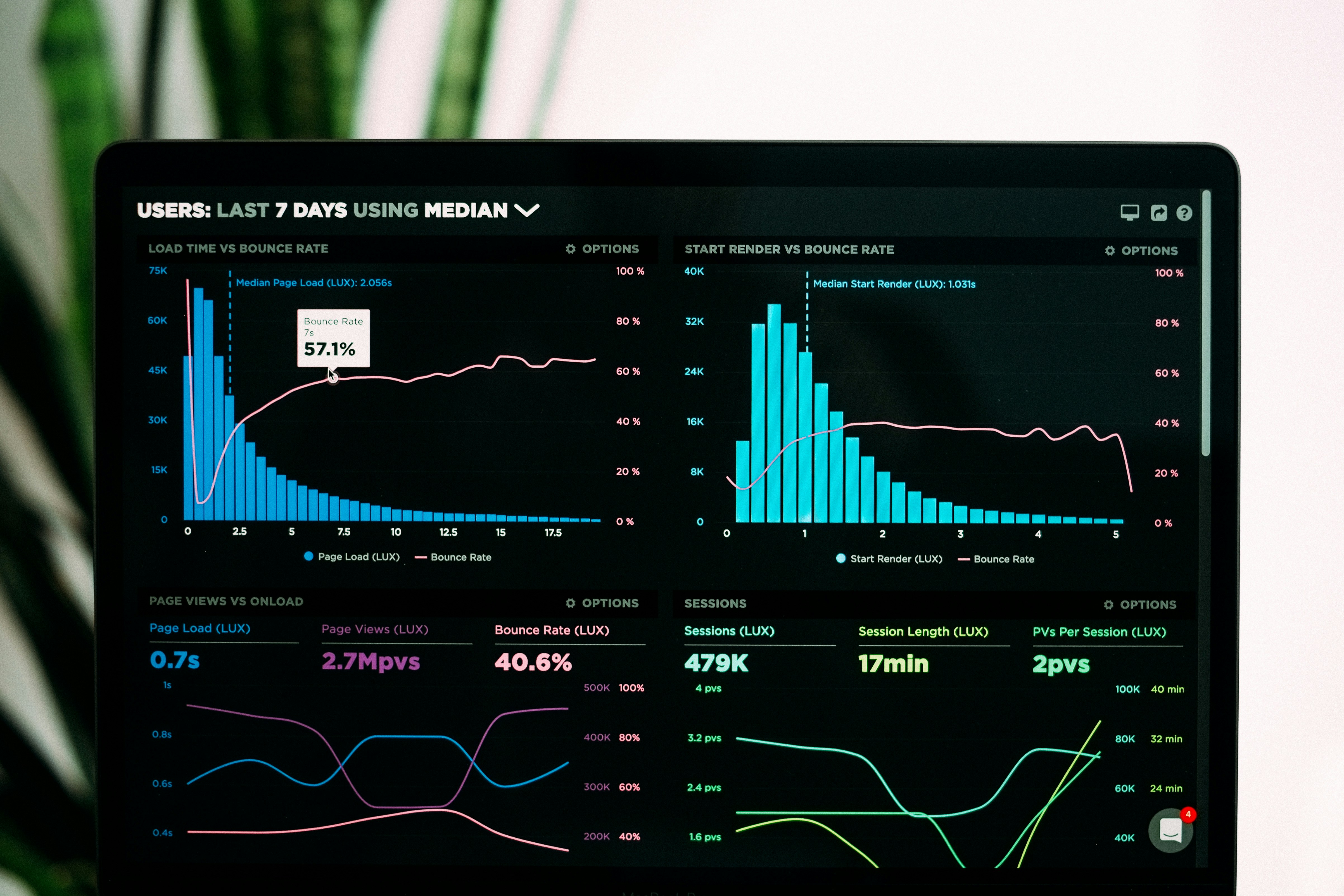 Figure 3
4. What Businesses Are Missing
Many businesses still rely on traditional systems, which leads to missed opportunities and inefficiencies.
- 1. Lack of real-time insights
- 2. Poor customer personalization
- 3. High operational costs
- 4. Slower decision-making
These gaps can make it difficult to compete in a fast-paced digital environment.
 Figure 4
5. Real-World Impact of AI Adoption
Businesses that adopt AI experience measurable improvements across operations and customer engagement.
- 1. Faster customer support using chatbots
- 2. Better sales through personalization
- 3. Improved productivity with automation
- 4. Data-driven decision-making
AI acts as a growth enabler by making processes smarter and more efficient.
 Figure 5
6. Final Thoughts
Traditional software helped businesses go digital, but AI is what makes them truly intelligent and future-ready. Relying only on static systems can limit growth and innovation.
The real opportunity lies in combining existing systems with AI to unlock efficiency, scalability, and smarter decision-making.